- Unthink's Newsletter
- Posts
- Latest Unthinking - September
Latest Unthinking - September
The Page One Meeting

Team Unthink
September 13, 2025
Hello Unthinkers! Thought your summer travels were over? Well, not quite… We’re taking you to New York, Paris, Hong Kong, Singapore and Thailand in this months’ Latest Unthinking. Lucky you.
We head to the USA to understand how The New York Times optimise their gatherings, Paris to enjoy a dirt track mindset marketing campaign, Hong Kong and Singapore where we were delivering Learning Experiences with our clients, and finally Ameena Hamid (winner of Love Sundays, Again) reflects on an epic 4 weeks in Thailand.
Ready for take-off?
Tell me something new…
Since 1946, The New York Times held a twice daily meeting (10am and 4pm) where editors would decide what would make the front page the following day.
These meetings were called Page One.
The decisions made in Page One meeting would influence what and how stories were covered across the world.
The purpose of that meeting was clear. It had a logical structure and took place in a room with a King Arthur-style table that made it easy for editors to pitch their ‘offers’.
It became a badge of honour to be involved in it as the legacy of Page One grew.
This was until Dean Baquet took over as CEO in 2014.
He could see how the news landscape was changing. By 2014, people were reading news online, mainly through social media and notifications. The home page would update regularly, and by the time paper copies reached consumer, some stories had been out for hours.
The print pages were becoming redundant yet Page One was designed for print page decisions.
Baquet understood The New York Times home page and the front page were two completely different beasts, and Page One needed to reflect this.
They didn’t just change the agenda, they completely re-designed the way they gathered to reflect the new purpose:
The desicion making was determined by viewing figures and data rather than editors ‘offers’ - it was now about what the audience wants, not the editors.
The new invite list included leaders from social media, video, and digital who now had more airtime.
The focus of discussions shifted towards how they serve their customers across of their platforms, not just page one print.
They designed a purpose built venue for it that included more relaxed seating, a welcoming environment that encouraged discussion and included a TV screen projecting The New York Times home page that was updating in real time.
Baquet knew 10am was too late so brought the first meeting to 9.30am to get a kickstart on stories, and trimmed the number of people invited to the 4pm meeting about the next days print.
Rituals must serve today’s purpose, not yesterday’s tradition. A question for you to consider about your daily/weekly/monthly meetings…
What gatherings in our organisation feel more about tradition than about purpose? And if we redesigned one of our recurring gatherings around today’s needs, what would we change first?
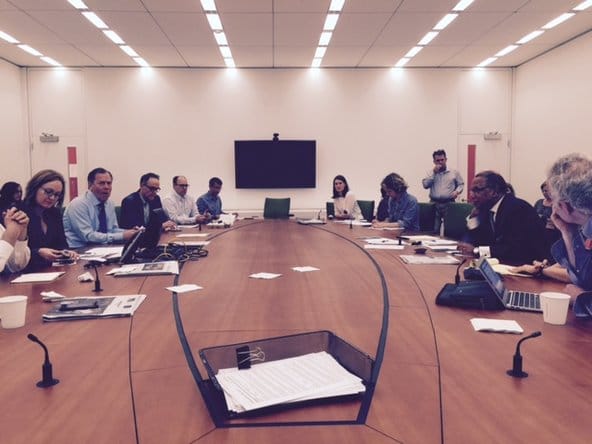
The last ever original Page One meeting.
Dirt Track Thinking
Customer theft is the most significant source of financial loss in retail crime.
In 2023, there were 16.7 million incidents of customer theft, which cost UK retailers £1.79 billion. This also fails to consider the substantial sunk cost incurred by retailers in providing store security.
This story involves the sportswear brand Distance and its Parisian running store.
They put up a sign: “Rob It to Get It.”
Customers were allowed to steal items in-store marked with tags with the same lettering.
No price, no sales pitch, just a dare. Take anything from the shop and keep it, but only if you can outrun their “security guard.”
That security guard? Meba Mickael Zeze, a two-time Olympian with PBs of 9.99 (100m) and 19.97 (200m).
74 people tried. Only 2 got away.
The chases were filmed and turned into an advertising campaign. Distance knew exactly what they were doing.
Distance created a story that people wanted to talk about: news outlets covered it, and social media exploded.
Which routines have become transactional and predictable for you, and how can you make them more exciting and engaging rather than just a routine?
p.s you can find more stories like this in Unthink. Normal Wasn’t Working which is available to buy on Amazon UK or Amazon EU.
Weekly 60s highlights
Every week, we post up a 60-second summary of what we’ve been up to that week… Here are the last 4 to enjoy!
🔄 ICYMI: Our last four Unthinking Thursdays💡:
What else is coming up?
Well, a few things actually….
18th September. IRL: In Real Life - Deep connection builds belonging, confidence and courage — only in real life experiences make it happen. We’ll be exploring the science and impact of IRL experiences with the help of world-renowned neuroscience psychologist Dr Helena Boschi, and you can sign up here.
Friday 26th September. Unthinking Data - Measuring Performance and Compensation: Salaries, Bonuses, Rewards. Hit this link here to get the invite for this webinar.
Book club more your thing? On 24th October, we’ll be discussing Joe Navarro’s What Every BODY is Saying… Hit reply to this email if that’s something you’re keen for and we’ll get a book and invite to you.
If you're not signed up for this newsletter and it was forwarded from a friend, you can correct this here 👇️
See you again in October!
Team Unthink 🫶
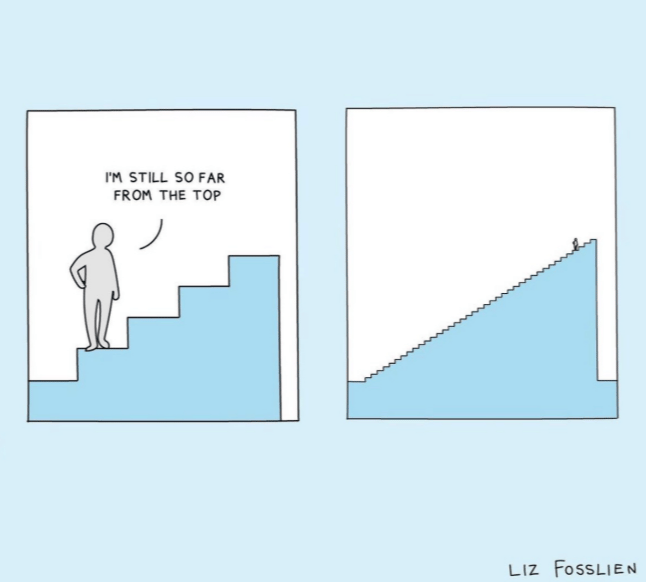
Graphic of the month chosen by Joe.